

Brian Klock

Kathryn Easterling
The Federal Circuit recently held that, after receiving an FDA licence, makers of biosimilars must always notify their brand-name rivals six months before commercially launching their products. Previously, in Amgen v Sandoz, the Federal Circuit held that the notice is mandatory and must be provided after an FDA licence is granted. Sandoz, however, had not followed certain pre-licence procedures for exchanging information with the brand-name maker.
The recent case clarifies that such notice is required even when the biosimilar maker follows those procedures.
Impact of the notice
Brand-name makers enjoy a 12-year exclusivity period. Since the mandatory 180-day notice must be given after FDA approval, some commentators opine that this requirement provides the brand-name maker with an additional six months of exclusivity, potentially worth millions of dollars.
What are these pre-licence procedures?
Biosimilar drugs display similar efficacy and safety as previously approved therapeutic biological products. The Biologics Price Competition and Innovation Act (BPCIA) provides a shortcut to biosimilar approval, similar to the Hatch-Waxman Act shortcut for generic small-molecule pharmaceuticals. A biosimilar maker may rely for approval on data generated by the innovator maker, but the original biologic drug receives 12 years of regulatory exclusivity.
To comply with the BPCIA, a biosimilar maker must follow certain reporting requirements, sometimes called the patent dance.
Under 42 USC § 262(l)(2)(A), the two makers exchange information that may be involved in future litigation, such as the biosimilar maker’s application for FDA approval and manufacturing process details, and the brand-name maker’s identification of relevant patents.
Why was this case different?
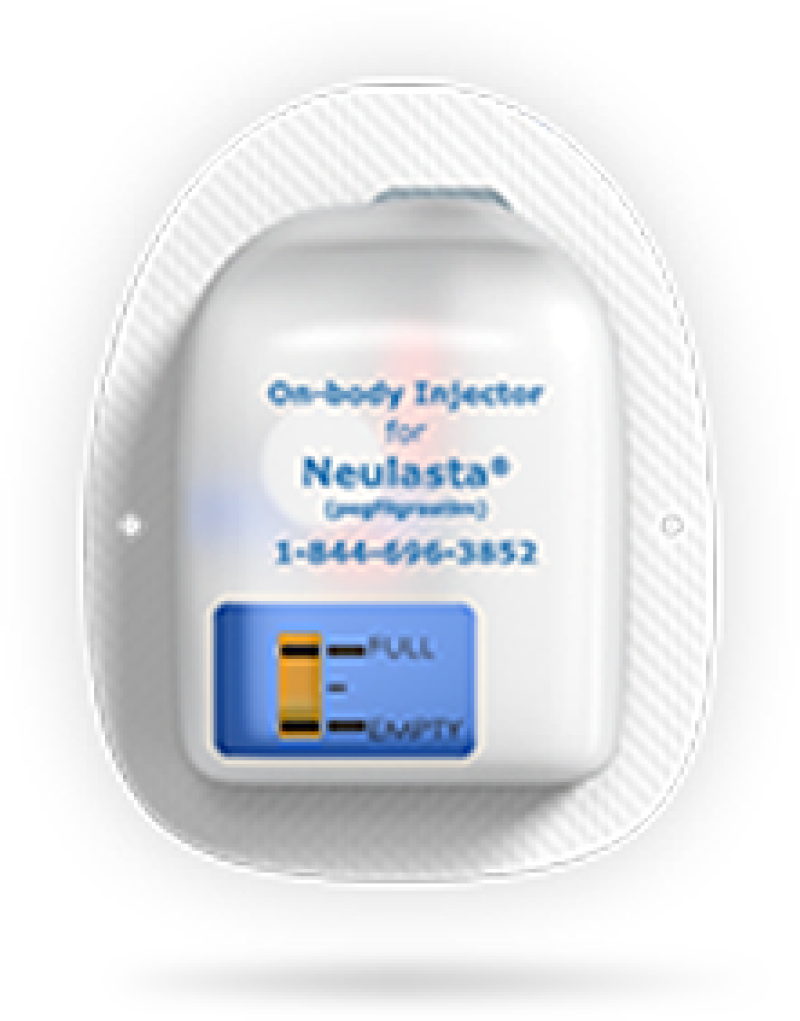
Biosimilar maker Apotex applied for FDA approval of a biosimilar of Amgen’s drug Neulasta (active ingredient pegfilgrastim, pictured left), which is given to chemotherapy patients to stimulate production of certain types of white blood cells. Apotex performed the patent dance and exchanged the required information with Amgen. (That fact distinguishes Apotex’s case from Sandoz, wherein Sandoz declined to engage in the patent dance with Amgen.)
When Amgen sought a preliminary injunction requiring Apotex to provide the required post-licence notice to Amgen, Apotex argued that its compliance with the BPCIA patent dance should allow it to opt out of the commercial-launch notice requirement.
Amgen disagreed, relying on Sandoz and arguing that the 180-day notice is meant to allow brand-name manufacturers sufficient time to seek preliminary injunctive relief against the commercial launch of an infringing biosimilar product.
The district court granted Amgen’s requested preliminary injunction, finding that fulfilment of the BPCIA notice requirement was mandatory, with no exceptions. Apotex appealed.
The Federal Circuit affirmed the district court, holding that “the commercial-marketing provision is mandatory and enforceable by injunction even for an applicant in Apotex’s position". Coming off the heels of Sandoz, where the Federal Circuit held that notice can only be given after the biosimilar product has been FDA-approved, this ruling appears to extend the 12-year exclusivity period by an additional six months.
Attempting to address the concerns raised in Sandoz about potentially delaying the launch of biosimilar products, the Federal Circuit stated that it “[h]as been pointed to no reason that the FDA may not issue a license before the 11.5-year mark and deem the license to take effect on the 12-year date".
While that dicta seems to be the Federal Circuit’s attempt to assuage concerns about such a potential delay, it is unclear whether the FDA will be able to take advantage of the Federal Circuit’s suggestion to tentatively license a biosimilar product before the 11.5 year mark, or whether a biosimilar maker can provide effective notice of its intent to launch its biosimilar product with only a tentative licence.
What’s next?
Sandoz has filed a petition for certiorari, and Apotex might do the same. For now, it appears the period of exclusivity has been extended.



