


The paper copies of the March issue are now well on their way to subscribers. You can also read the full contents online (subscription or trial required).
There is a special focus on patents in this issue, with the second part of the IP STARS rankings listing the top firms in some 80 jurisdictions. You can read these, and the rankings for trade mark work, on the IP STARS website.
To complement the patent rankings, we decided to examine trends in a couple of interesting areas of patent practice.
In "Institutional change", our Americas editor Michael Loney takes a look at the past and future of the PTAB in the United States. He reports that the Board is taking a harder line on institution, using data including rankings of the top petitioners, patent owners, law firms and attorneys at the PTAB in 2015.
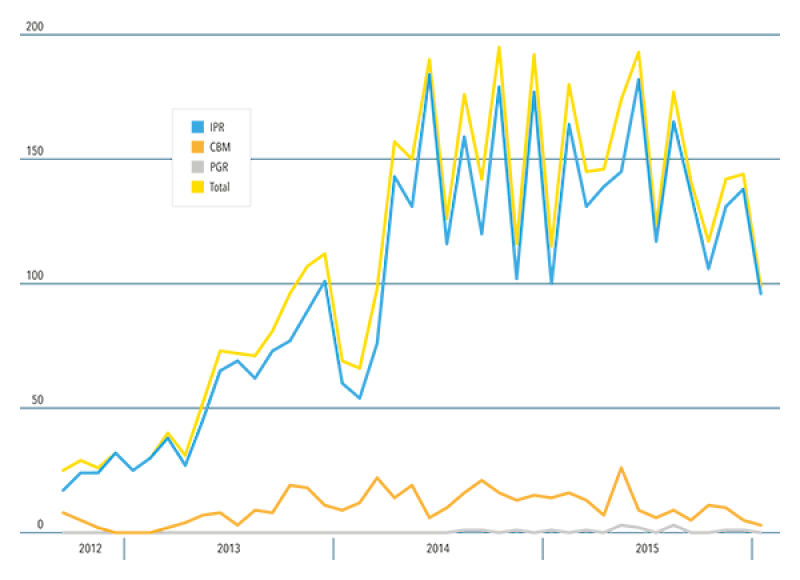
Michael also previews the Cuozzo case heading to the Supreme Court, which addresses both the broadest reasonable interpretation standard and the possibility of reviewing decisions to institute. Note that the online version of the article includes extended analysis of issues including the redundancy clampdown, motions to amend claims and how estoppel is being applied.
The second topic we look at is one that will be alien to practitioner in many countries: utility models. With applications soaring in China (a trend that grew in 2015, according to data I saw this week), but falling in many countries, we ask: what is the point of utility models?
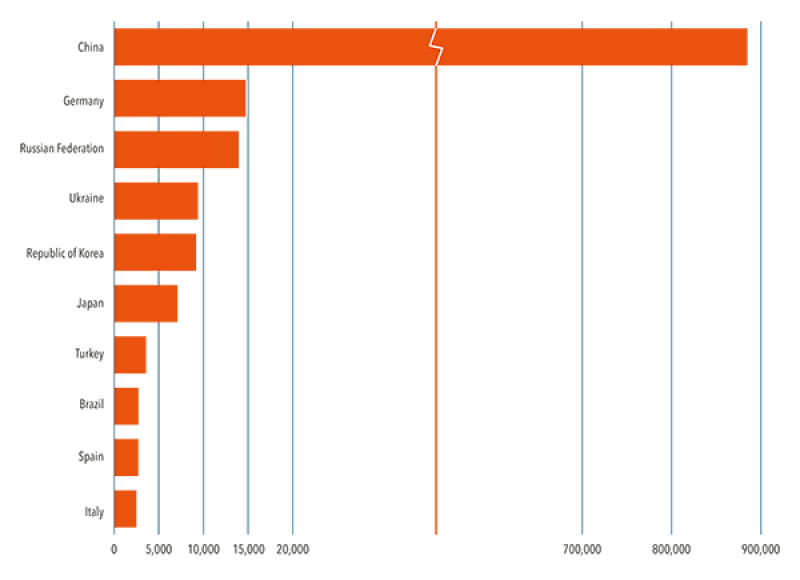
Economists are divided over the merits of utility models (or petty patents) in promoting innovation. Indeed, as we report in this article, Australia is reviewing its innovation patent system. However, from China to Germany, practitioners we spoke to argued that utility models can have a role to play in a multi-tool patent strategy. In particular, as Andy Booth of Dyson told me, they can provide important interim protection where fast-track patent examination is not available.
Whether utility models are appropriate for you or not, they cannot be ignored - especially in China - so we hope the article provides some food for thought.
Other features in the March issue include: a review of trade mark cases in Malaysia; our second UPC scenario dealing with an SPC and licensing issues; patent jurisdiction in China; trade secrets in the cloud; patenting computer programs in India; and further analysis of trends at the PTAB.
We also have our monthly international briefings articles written by the sponsoring firms in each jurisdiction, and the monthly gossip from our fictional columnist John of Utynam.
Read all of this on the dedicated page.





