
The case was granted cert by the Supreme Court in September. Betty Anne Morgan, of counsel at Paz Horowitz, and Bill Barber, a partner at Pirkey Barber, will discuss the case in a session today at the AIPLA Annual Meeting.
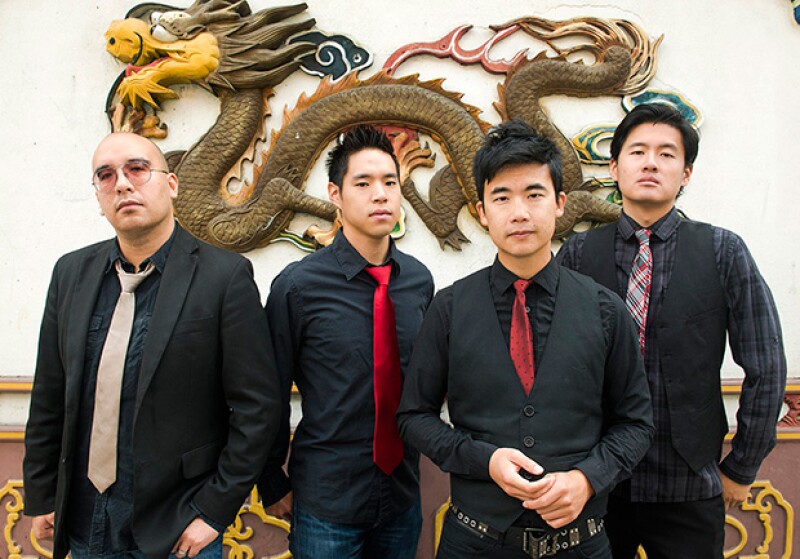
The Tam case concerns the name of the band: The Slants. Simon Tam, the bassist and a founding member of the Asian-American band, attempted to register a trademark for "The Slants." The USPTO's Trademark Trial and Appeal Board (TTAB) affirmed the office's denial of the mark. Its rejection was based on Section 2(a) of the Trademark Act, which bars the registration of "disparaging" marks. The Supreme Court is being asked whether the provision is "contrary to the First Amendment."
The Federal Circuit en banc ruled last December that the bar against registering disparaging marks violated the First Amendment, and the USPTO appealed to the Supreme Court.
Barber, who will argue that the provision is constitutional is concerned that "without this provision, the register is going to opened up to the most vile, racist trademarks imaginable," and will become "cluttered with these marks that the US government is going to have to send to WIPO or foreign governments."
Morgan of Paz Horowitz doesn't believe that doing away with Section 2(a) will "have that much effect." She says that there aren't many applications for scandalous or disparaging marks and that, for most brand owners, the possibility of "market backlash" is discouragement enough. Rather, registrants of such marks will be "people like the band The Slants, artists and people with products that are more fringe," such as the apparel brand "FUCT," which has also appealed the USPTO's denial of its trademark registration.
The closely-watched Tam case also has implications for the even more buzzed-about Redskins case, which is pending at the Fourth Circuit. The Redskins petitioned the Supreme Court for cert under an extraordinary provision that would allow its case to bypass the lower courts and be heard with the Tam case, but was denied. Furthermore, Barber worries, if the provision is struck down, it could clear the way for the registration not only of racially disparaging marks, but of parodies of famous marks. On the other hand, Morgan argues that allowing the provision to remain in place would overrule the Court's own precedent in the Citizens United case.
"One sign of how divisive this is – and there are good arguments on both sides – is that if you look at that, none of the major IP organizations filed amicus briefs," says Barber of the Tam case, adding that INTA was the exception, filing a brief on one, relatively minor, issue of the case. The examination of the case promises a heated debate between Morgan and Barber.





