

This morning's AIPLA Annual Meeting patent prosecution track will address information disclosure in the patent acquisition and patent litigation spaces by way of good old fashioned debate between a patent prosecutor and litigator.

Patent prosecutors are bound by a "duty of candor," or "duty of disclosure," which requires them to report known prior art. But the scope of doing so is limited by practicality, says Drinker Biddle & Reath's Mercedes Meyer (right), who will present the prosecutor's perspective in the portion of this morning's patent prosecution track titled "Enough is Enough." Litigators argue that prosecutors should "be doing more," says Meyer. Insufficient searches and disclosures leave patent holders vulnerable to invalidity claims on those grounds, and, therefore, to expensive litigation.
Meyer says that instances of failure to fulfill the duty of candor rarely come before the USPTO's Office of Enrollment and Discipline (OED). But, according to Meyer, many prosecutors live in fear of the OED.
Will Covey, Director of the OED, who will also be speaking today, agrees that his Office has had to reprimand very few practitioners for failure to do their duty of disclosure and defrauding the USPTO on those grounds, as compared to broader claims of fraudulent conduct. He adds: "I don't want them to think we're watching every move they make."
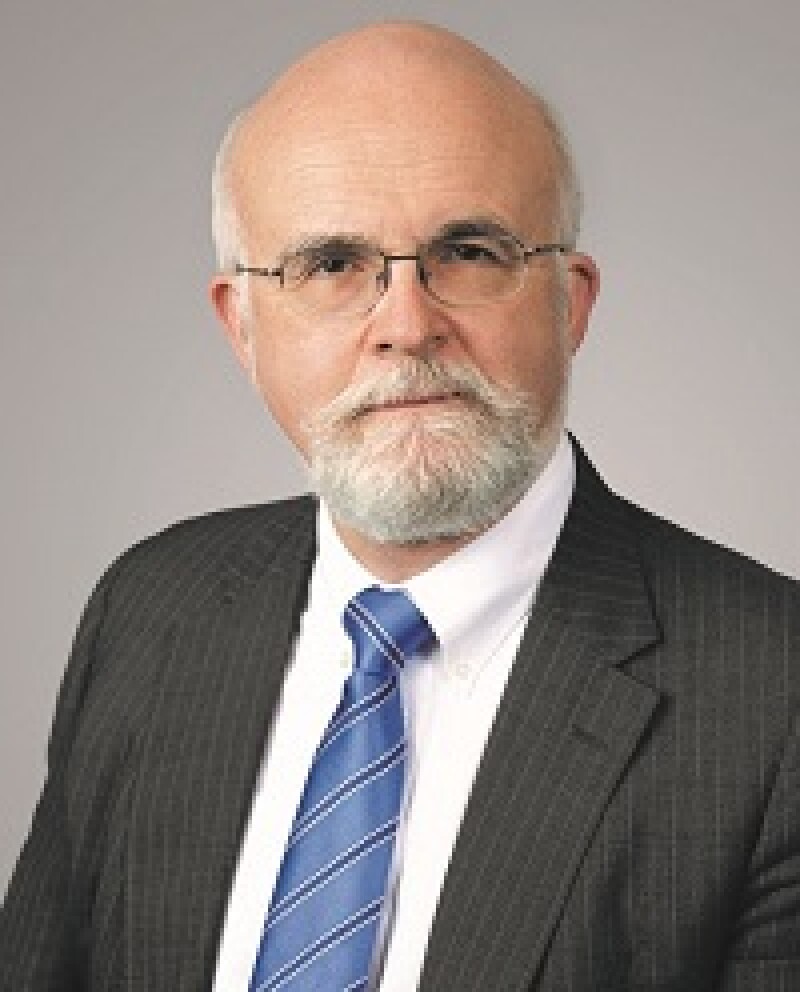
But patent prosecutors may have reason for worry, according to litigators like Kirkland & Ellis's Ken Adamo (left). He says there have already been several cases involving inequitable conduct before the district courts and Federal Circuit in the past two years. "So this is not just something that had happened in the dark old ages," says Adamo, "this is still going on today."
In 2011, the Federal Circuit handed down an en banc decision in Therasense v BD, ruling that if the prosecutor had done its duty of disclosure, the patent would not have been granted and the case wouldn't have landed before the court. But the decision also mandates that shirking the duty of candor must be the sole basis for a determination of willful infringement in order for treble damages to be awarded. To the minds of patent litigators, this is too hard to prove, and too strict a standard. But, says Meyer, "there is an incentive to prove it" for litigators.
Prior to the Therasense decision, Adamo says, "I saw a lot of cases where people would wing accusing someone of failing to do their duty of disclosure." The Therasense decision helped to curtail these unfounded accusations, but, many have thought that they would never see inequitable conduct or duty of disclosure defenses that will be successful again because the test is too hard to satisfy now. But that has proved untrue. According to Adamo, patent prosecutors should be even more fulsome than the Patent Office requires.
"If you want a strong patent, you don't want a bad story going around out there about how you got the patent by not really disclosing the information that you should have disclosed so the patent examiner didn't really get a fair shake at evaluating whether you had an invention or not," says Adamo.
According to Meyer, the cost of global filing quickly climbs into the multi-hundred-thousand dollar range. That's more than many patent applicants can or want to pay, especially when it isn't even clear yet whether or not the invention will make it to market, or when the filings are for a patent for a small component of a product. The aftermath of the AIA has also made some prosecutors (including Meyer) nervous that a patent is still liable to be invalidated, even after the most exhaustive (and expensive) prior art searches and disclosures. "So, how do you keep the cost down and provide the duty of candor?" asks Meyer. "I don't wake up in the morning trying to pull a fraud on the Patent Office."
Although Covey says that "the IP bar is relatively well behaved, and they're conscientious about their obligations before the Office, I think it's always helpful, before a bar like this, to give some examples of cases we've had where the attorney showed up on our radar and then we took some action against them." To that effect, Covey will announce a proposed revision to rule 56 (which dictates the standard of disclosure for patent attorneys) during the session and explain how it differs from the current rule, its basis, and what changes it will affect.





